Source mirror polish buffet soup urn for hotels, restaurants, and events
Compare 30 mirror polish buffet soup urn options from verified Chinese suppliers. Buyers can evaluate stainless steel and brass models with custom logos, varying capacities, and delivery times for hotel, restaurant, and household use.
Key considerations
Products List







Comprehensive Sourcing Guide
Strategic Sourcing Guide for Mirror Polish Buffet Soup Urns
Selecting the right equipment for commercial food service requires a meticulous evaluation of material integrity, surface finish, and operational durability. When sourcing a mirror polish buffet soup urn, buyers must navigate a complex landscape of manufacturing specifications, regulatory compliance, and logistical constraints. The following guide provides a structured approach to evaluating potential suppliers and products, ensuring that the final procurement decision aligns with strict hygiene standards and aesthetic requirements for high-volume food service environments.
Understanding Material Composition and Surface Finish
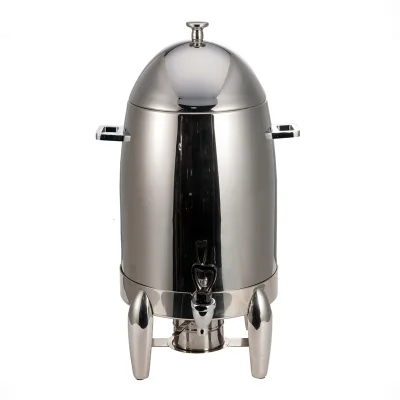
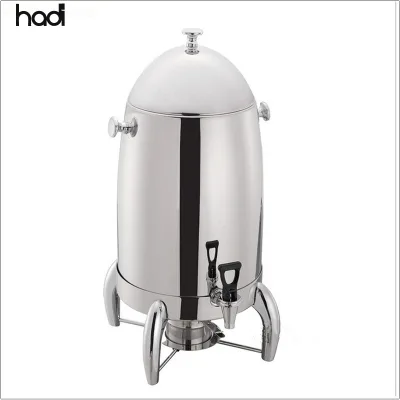
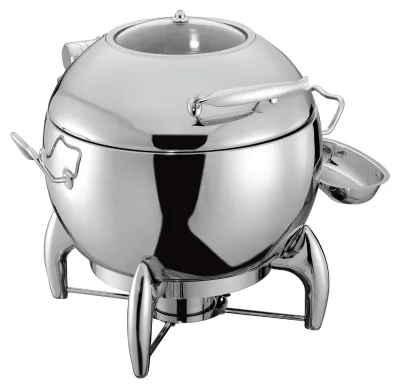
The foundation of a high-quality buffet soup urn lies in its material composition and the specific finishing process applied to the metal. In the context of commercial catering, the primary material observed for these units is stainless steel, often supplemented by other metals such as brass, zinc alloy, iron, or pewter for decorative elements. The "mirror polish" finish is a critical differentiator, indicating a surface treatment that achieves a highly reflective, smooth texture. This finish is not merely aesthetic; it serves functional purposes by reducing surface roughness, which can inhibit bacterial adhesion and facilitate easier cleaning.
Buyers should verify the specific thickness of the metal used in the construction. Observed data suggests that robust units may feature a thickness of approximately 7.5mm, which contributes to structural rigidity and heat retention capabilities. The production process typically involves a "mirror polish" or "high mirror polish" technique, ensuring a consistent luster across the entire surface. It is essential to distinguish between standard polishing and the high-gloss finish required for premium buffet settings. The finish should be uniform, free from scratches, pits, or discoloration, which can compromise both the visual appeal and the sanitary properties of the vessel.
Technical Specifications and Dimensional Analysis
When evaluating a mirror polish buffet soup urn, precise technical specifications are paramount for ensuring compatibility with existing kitchen infrastructure and service workflows. The physical dimensions of the unit dictate its capacity and footprint. While specific models vary, typical dimensions for such equipment can range significantly, with some units measuring approximately 113mm in width and 22mm in depth for specific components, while the overall footprint may be larger to accommodate the serving volume.
Capacity is a primary driver for selection. For large-scale events or hotel banquets, units with a capacity of 12 liters are common, allowing for the efficient service of multiple guests without frequent refilling. The weight of the unit is another critical factor; a net weight of 0.098kg suggests a lightweight component, whereas a total shipment weight of 3kg indicates the inclusion of packaging or a larger assembly. Buyers must cross-reference the single package size, which can be as large as 65x38x32 cm, against their storage and shipping constraints.
Furthermore, the shape of the urn is typically round, designed to maximize surface area for heat distribution and ease of serving. The length of the unit, often around 182mm for specific models, must be considered in relation to the buffet table dimensions. The model number, such as SS02 or SCU12A, serves as a unique identifier for these specifications, allowing buyers to track exact configurations. It is vital to confirm that the "mirror polish" finish applies to the entire exterior, including the lid and handles, to maintain a cohesive design language.
Compliance, Certification, and Safety Standards
In the food service industry, compliance with safety and hygiene standards is non-negotiable. When sourcing a mirror polish buffet soup urn, buyers must verify that the product meets recognized international and regional food safety certifications. Observed data indicates that reputable suppliers often provide units certified under FDA (Food and Drug Administration) and LFGB (German Food and Feed Code) standards. These certifications ensure that the materials used, including the stainless steel and any plating, are safe for direct contact with food and do not leach harmful substances.
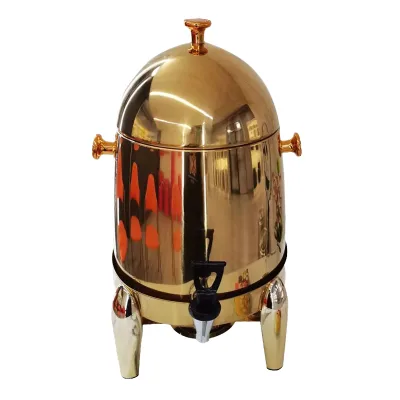
The plating process is another area requiring strict scrutiny. Some units feature a "Gold + Nickel" plating, which adds a layer of luxury and corrosion resistance. However, the safety of these plating materials must be validated through the aforementioned certifications. Buyers should request documentation proving that the plating process adheres to strict environmental and safety regulations. Additionally, the presence of an SGS certification suggests that the product has undergone third-party testing for quality and safety, providing an additional layer of assurance.
While ISO 9001 is a widely recognized standard for quality management systems, its specific application to the product itself should be verified rather than assumed. Buyers should confirm whether the manufacturing facility holds ISO 9001 certification, as this indicates a commitment to consistent quality control processes. The "Eco-Friendly" feature mentioned in some product descriptions should be substantiated with evidence regarding the recyclability of materials or the sustainability of the manufacturing process.
Cost Drivers and Procurement Economics
The pricing of mirror polish buffet soup urns is influenced by a variety of factors, including material costs, finishing complexity, and customization requirements. The observed price range for such products can vary significantly, from approximately $0.66 to $500, reflecting differences in scale, material quality, and brand positioning. High-end units with a true mirror polish finish and gold plating will naturally command a higher price point compared to standard stainless steel models.
Minimum Order Quantity (MOQ) is a critical economic consideration. Suppliers may require MOQs ranging from 1 to 2000 units, with some specific models requiring a minimum of 500 sets. This variability allows buyers to tailor their orders based on their immediate needs and budget constraints. However, higher volumes often result in better unit pricing. The customization options, such as embossed logos, 3D printing, or engraving, can also impact the final cost. Customized orders typically incur additional setup fees and may have longer lead times.
Payment terms and shipping methods further influence the total cost of ownership. Standard payment methods include T/T (Telegraphic Transfer), Western Union, and PayPal. The choice of shipping method, whether airfreight or ocean shipment, will affect the delivery timeline and associated logistics costs. Ocean shipment is generally more cost-effective for large orders, while airfreight may be necessary for urgent, smaller batches. Buyers should calculate the total landed cost, including duties and taxes, to ensure accurate budgeting.
Supplier Evaluation and Operational Capabilities
Evaluating a supplier requires a comprehensive assessment of their production capabilities, lead times, and logistical reliability. The production time for customized mirror polish buffet soup urns is typically around 15 days, with a sample time of 7 days. This timeline allows buyers to review prototypes before committing to a full production run. However, for larger orders, the delivery time may extend to 45-60 days after receiving the deposit, depending on the order volume and shipping method.
The location of the manufacturing facility is also a key factor. Many suppliers are based in Guangdong, China, a region known for its robust manufacturing infrastructure. The origin of the product, typically China, should be clearly stated to ensure transparency regarding trade regulations and tariffs. Buyers should verify the supplier's capacity to handle large orders, as indicated by their ability to produce units with specific model numbers like SCU12A or SS02.
Customization is a significant differentiator among suppliers. Options such as OEM (Original Equipment Manufacturer) and ODM (Original Design Manufacturer) services allow buyers to tailor the product to their specific brand requirements. The ability to accept customized logos and designs is a strong indicator of a supplier's flexibility. Buyers should also assess the supplier's packaging capabilities, as units may be packed in individual polybags, gift boxes, or cartons, depending on the order requirements.
Quality Control and Long-Term Procurement Strategy
Implementing a robust quality control (QC) strategy is essential for ensuring the longevity and performance of mirror polish buffet soup urns. The "mirror polish" finish must be inspected for consistency, ensuring there are no scratches, pits, or uneven areas that could compromise the aesthetic or sanitary properties of the unit. The thickness of the metal, such as the observed 7.5mm, should be verified to ensure it meets the structural requirements for heavy-duty use.
For long-term procurement, buyers should establish a relationship with suppliers who offer consistent quality and reliable after-sales support. The "Eco-Friendly" attribute and compliance with FDA and LFGB standards are indicators of a supplier's commitment to sustainability and safety. Buyers should also consider the "Suitable for" category, ensuring the product is designed for the intended use, whether for hotels, restaurants, or household applications.
The packaging detail, such as individual polybags or gift boxes, plays a crucial role in protecting the product during transit. Buyers should verify that the packaging is robust enough to prevent damage to the mirror polish finish. Additionally, the "Net Weight" and "Packing Size" should be accurately documented to facilitate efficient logistics and storage. By maintaining a rigorous QC process and selecting suppliers with proven track records, buyers can ensure that their mirror polish buffet soup urns meet the highest standards of quality and performance.
Application Scenarios and Design Integration
The versatility of mirror polish buffet soup urns makes them suitable for a wide range of applications, from commercial hotels and restaurants to private ceremonies and holiday gifts. The "Folk Style" or "Modern Luxury" design options allow these units to blend seamlessly into various aesthetic environments. The "Round" shape and "Mirror" finish provide a timeless elegance that enhances the presentation of food, making them ideal for high-end catering events.
In commercial settings, the "High Mirror Polish" finish not only adds a touch of luxury but also facilitates easy cleaning and maintenance. The "Collection, Ceremonies, Holiday Gifts, Business Gift" usage categories highlight the product's adaptability for both functional and decorative purposes. The "Logo Options" allow businesses to brand their equipment, reinforcing their identity and professionalism. Whether used for daily service in a hotel or as a centerpiece at a wedding, the mirror polish buffet soup urn serves as a functional and aesthetic asset.
By carefully considering the technical specifications, compliance requirements, cost drivers, and supplier capabilities, buyers can make informed decisions that align with their specific needs. The integration of these factors ensures that the selected product not only meets the immediate operational demands but also contributes to the long-term success and reputation of the food service establishment.
FAQs
What material is used for the mirror polish buffet soup urn?
The primary material is stainless steel, often supplemented by brass, zinc alloy, iron, or pewter for decorative elements. This composition ensures durability and a high-quality reflective surface suitable for commercial food service environments.
Which certifications ensure the safety of the buffet soup urn?
Reputable units typically hold FDA and LFGB certifications to verify food safety compliance. An SGS certification may also be present, indicating third-party testing for quality and safety standards regarding materials and plating.
How long is the production time for customized orders?
The standard production time for customized mirror polish buffet soup urns is approximately 15 days. For larger orders, the delivery time may extend to 45-60 days after the deposit is received.
Can buyers customize the logo on the soup urn?
Yes, customization is available with options including embossed, 3D, printed, engraved, or soft enamel logos. Buyers can also request OEM or ODM services to tailor the design to their specific brand requirements.
What is the minimum order quantity for these units?
The minimum order quantity varies by supplier, ranging from 1 to 2000 units, with some specific models requiring a minimum of 500 sets. This flexibility allows buyers to tailor orders based on immediate needs and budget.
How is the mirror polish finish applied to the metal?
The finish is achieved through a high mirror polish or mirror polish process that creates a highly reflective, smooth texture. This treatment reduces surface roughness to inhibit bacterial adhesion and facilitates easier cleaning.
What is the typical capacity of a commercial soup urn?
Large-scale units often feature a capacity of 12 liters to efficiently serve multiple guests without frequent refilling. The physical dimensions and weight vary, with some units weighing around 3kg including packaging.